
Lower Primary
Basic 1 to Basic 3 is where reading becomes fluent and number work becomes automatic. We treat these three years as the most important in the school. Classes are kept deliberately small, so a teacher knows how every child in the room is getting on and can act on it within the term.
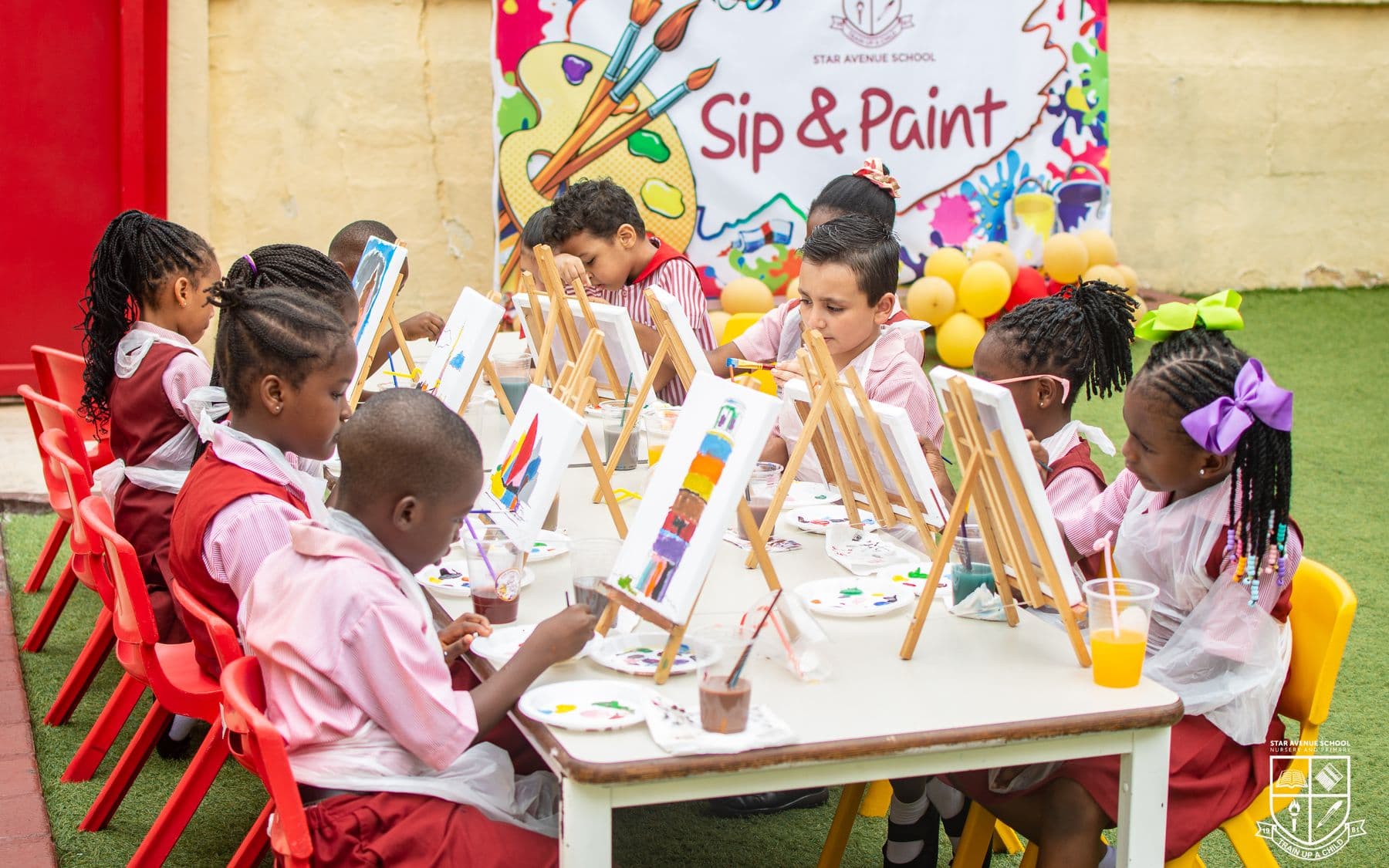
No child leaves Basic 3 unable to read. That is the commitment, and it is the reason we run daily guided reading in groups of six rather than whole-class reading aloud.
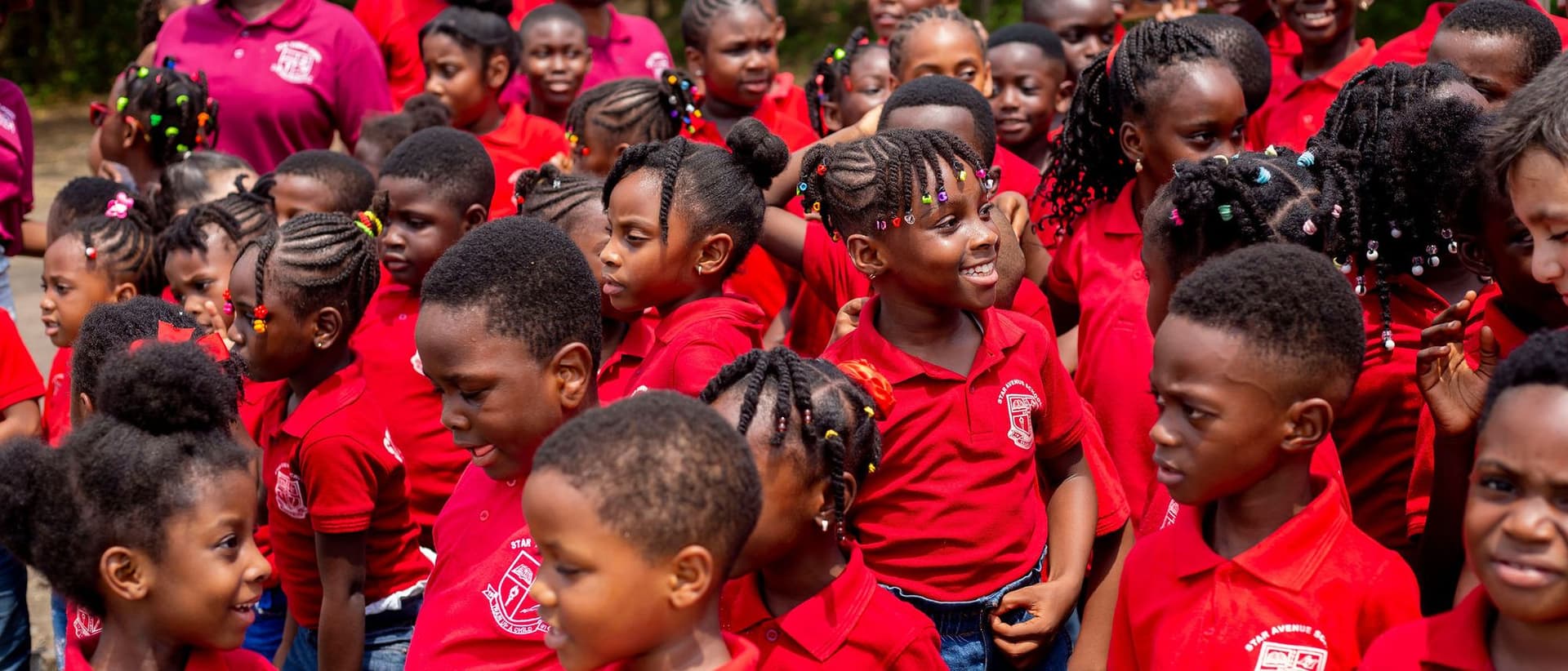
What happens in each year of Lower Primary
Ages are a guide. Where a child's previous schooling suggests a different placement, we say so before admission rather than after.
- 01
Basic 1
6–7 years
Fluent decoding, place value to 1,000, first written composition.
- 02
Basic 2
7–8 years
Reading for meaning, multiplication tables to 10, paragraph writing.
- 03
Basic 3
8–9 years
Independent reading, long multiplication and division, first science investigations.
Why parents choose Lower Primary here
Small classes, by design
Twenty-two pupils, one teacher and one classroom assistant. When a class reaches the cap we open a stream rather than adding a desk.
Guided reading in sixes
Every child reads aloud to a teacher in a group of six at least three times a week, with a book matched to their level rather than the class average.
Reading recovery within the term
Children who are behind at the half-term check get four extra 20-minute sessions a week, at no extra cost, until they catch up.
Homework that fits on one page
Twenty minutes of reading plus one short task, four nights a week. We would rather a child read with a parent than fill in worksheets until nine o'clock.
Weekly mental maths
Ten minutes every morning and a Friday challenge. Tables are automatic by the end of Basic 2, which makes everything in Upper Primary easier.
Lower Primary in pictures
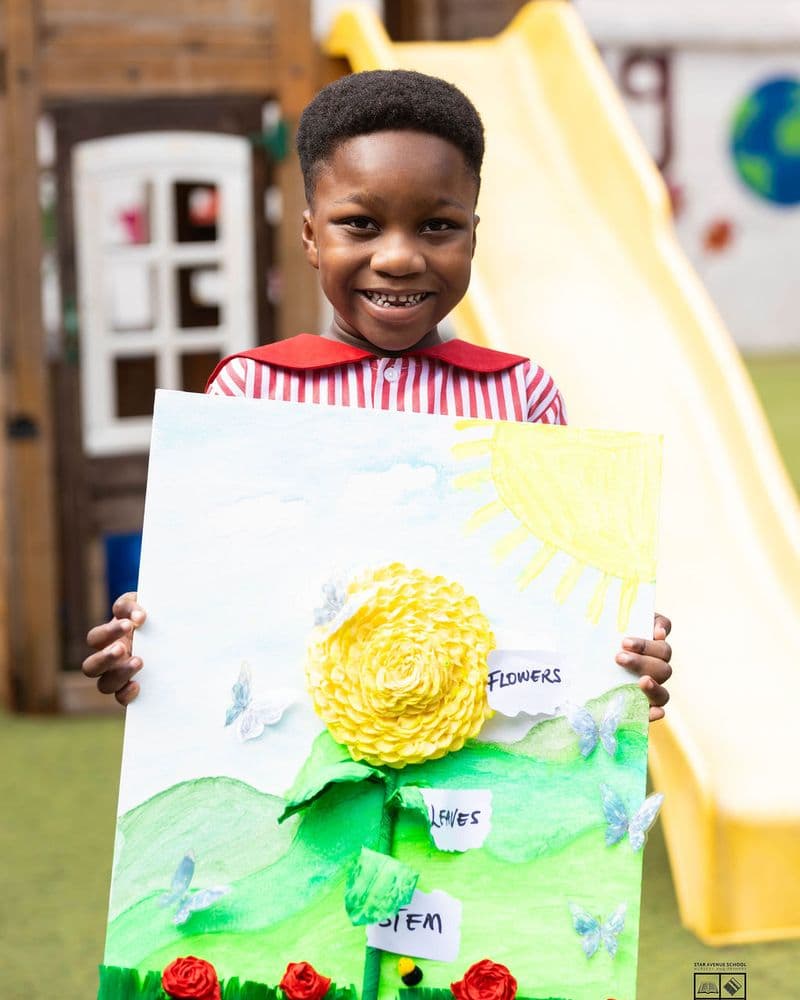
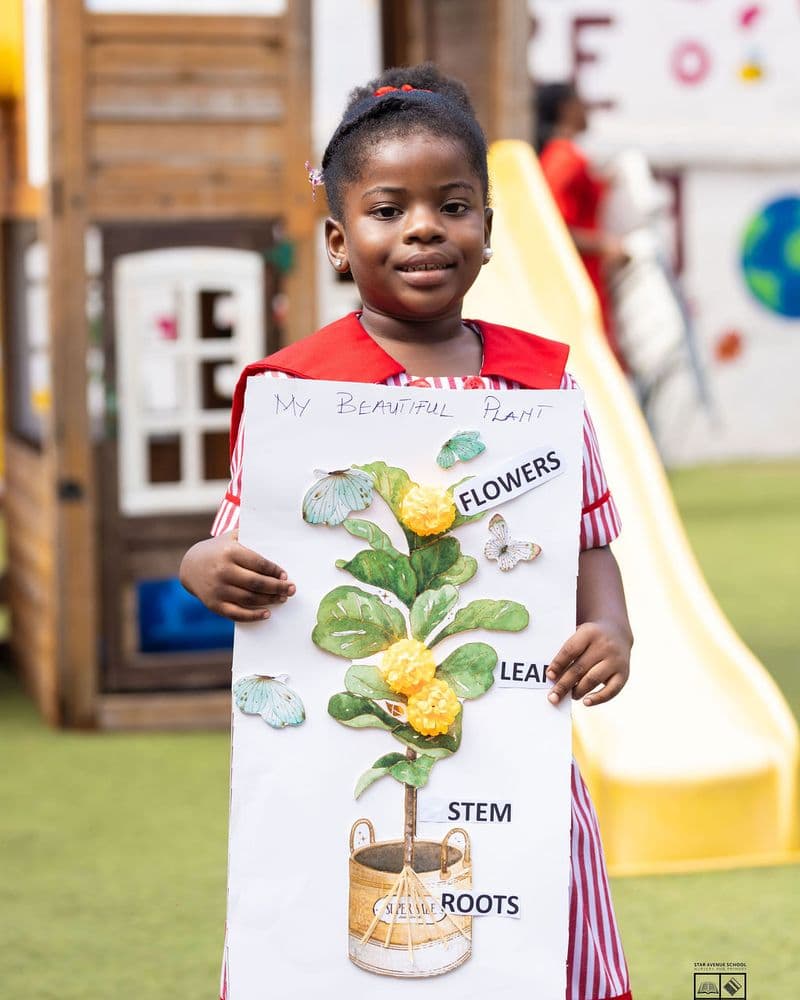
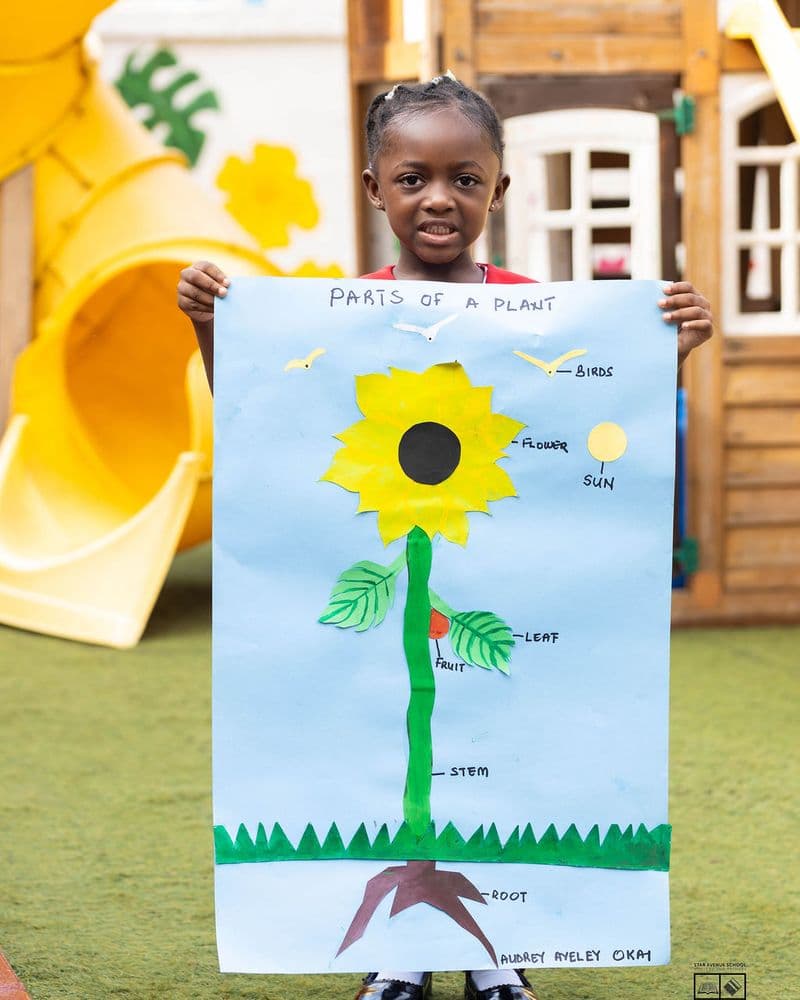
A lower primary day, hour by hour
- 7:00 – 8:00Arrival and welcomeChildren arrive, settle into their classrooms and enjoy a little free play, either outdoors or indoors.
- 8:00 – 8:15Morning assembly and circle timeWe begin the day together with greetings, songs and a short morning gathering. For our younger children this includes simple circle-time routines such as the weather, the day, and what to expect.
- 8:15 – 10:00Learning and discoveryChildren move into their classrooms for focused learning. Depending on their age this may include phonics, early reading and writing, numeracy, songs, rhymes, language development and Bible stories.
- 10:00 – 10:30Snack and outdoor playSnacks are served, followed by time outdoors to run, play, explore and develop physical and social skills.
- 10:30 – 12:00LessonsChildren return to their classrooms for further learning and activities.
- 12:00 – 14:00Lunch, rest and quiet timeLunch is served, followed by nap and rest time for our younger children. Older children enjoy a period of quiet activities and relaxation.
- 14:00 – 15:00Afternoon play and home timeThe afternoon winds down and children are lovingly prepared for home.
- 15:00Home time
Subjects taught
- Language and Literacy
- Numeracy
- Creative Arts
- Ghanaian Language (Ga)
- Rhymes and Songs
- Religious and Moral Education
- Physical Education
- Science
- UCMAS
- Environmental Studies
- French
What a child can do by the end of Lower Primary
- Reads age-appropriate books fluently and for pleasure
- Writes a structured paragraph with correct punctuation
- Knows multiplication tables to 10 by recall
- Carries out a simple science investigation and records it
- Uses a keyboard and mouse confidently
Who leads Lower Primary
Mr. Gabriel Darko
Head of Primary
Admissions
Places in Lower Primary for September 2026
Call or message the office, or come and see a lower primary class in session — the front office is open through the working day.
Prefer to talk first? Call or WhatsApp +233 26 150 4477 — the admissions office answers from 7:00am to 4:00pm.