
Upper Primary
Basic 4 to Basic 6 is the last stretch of primary, and the one that decides how ready a child is for what comes next. Pupils move to subject teachers, keep their own timetable, and take responsibility for homework diaries and deadlines. The academic demand steps up, and so does the amount of independence we expect.
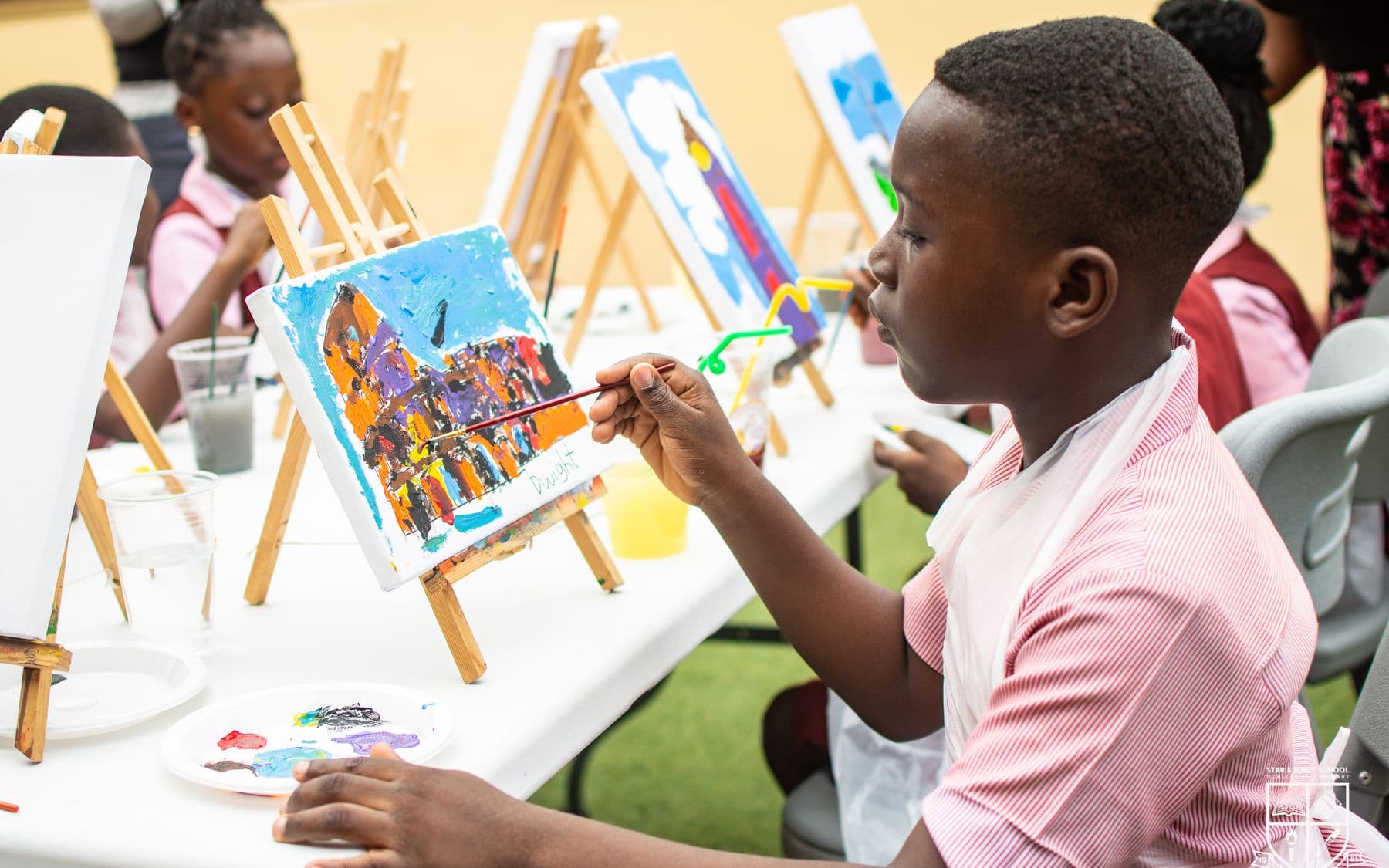
A pupil who finishes Basic 6 here can plan their own week, write an argued piece of prose, work through a multi-step problem without being walked through it, and stand in front of the school to present.
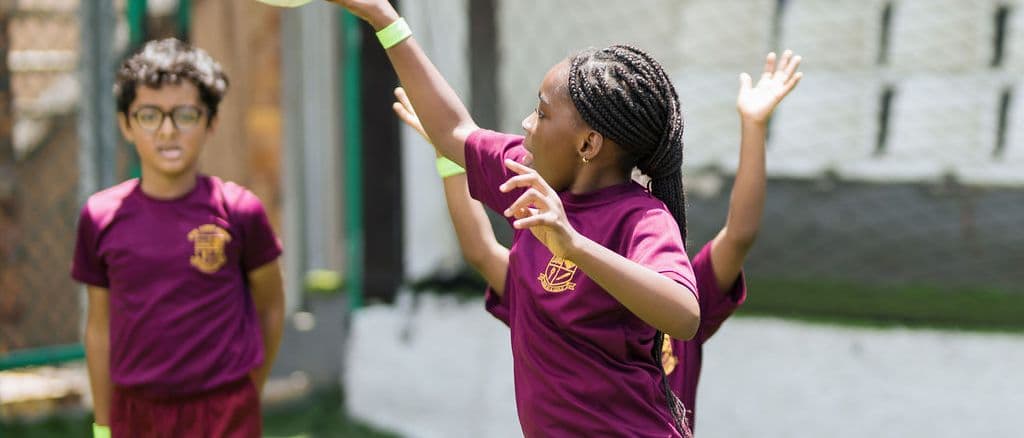
What happens in each year of Upper Primary
Ages are a guide. Where a child's previous schooling suggests a different placement, we say so before admission rather than after.
- 01
Basic 4
9–10 years
Subject teachers begin. Fractions and decimals, note-taking, research skills.
- 02
Basic 5
10–11 years
Ratio and percentages, extended writing, science practicals in the lab.
- 03
Basic 6
11–12 years
The final year of primary. Consolidation, and a transition programme that prepares pupils for what comes next.
Why parents choose Upper Primary here
Subject teachers from Basic 4
Mathematics, Science, English, French and Computing are taught by specialists. Pupils move rooms, which makes the jump to what comes next a non-event.
STEM and robotics
Computing is taught practically, and robotics runs alongside it — children build and program something, rather than copying definitions about computers into an exercise book.
The homework diary
Each pupil keeps a diary that a parent signs weekly. Deadlines are theirs to manage from Basic 4 — with a safety net, but a real expectation.
Science in the laboratory
Upper Primary uses the laboratory for one practical a fortnight. Pupils handle apparatus properly years before they need to.
Every pupil presents
Once a term, every pupil presents a piece of work to the class, and one pupil per class presents at assembly. Public speaking is a taught skill here, not a talent.
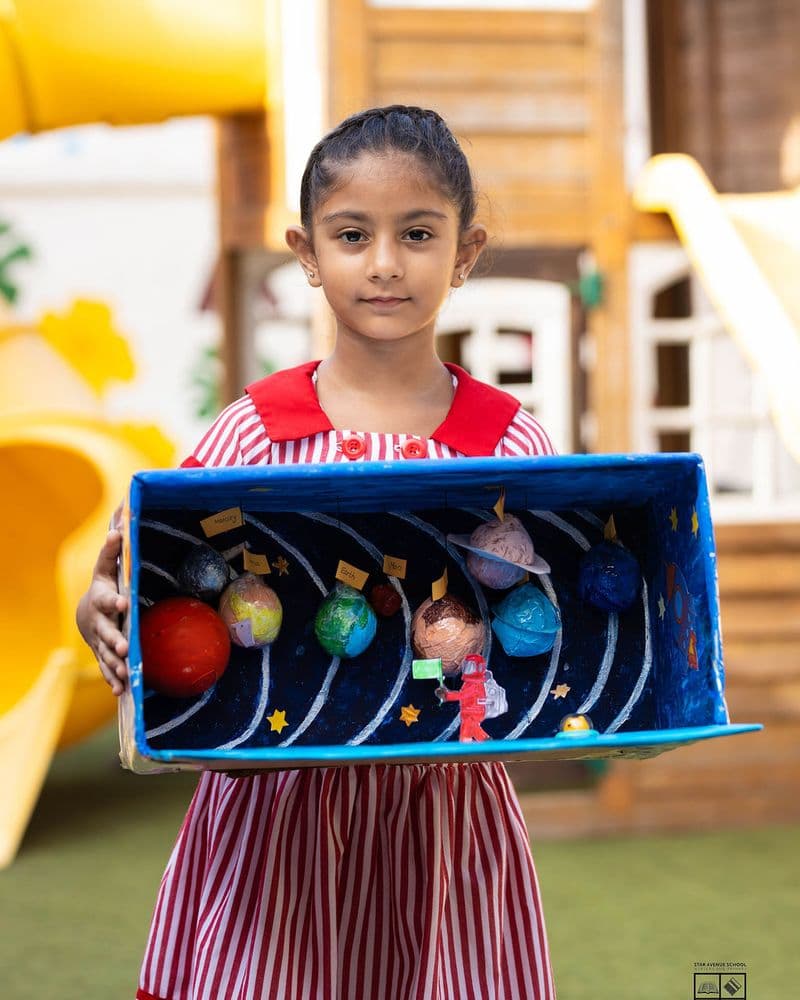
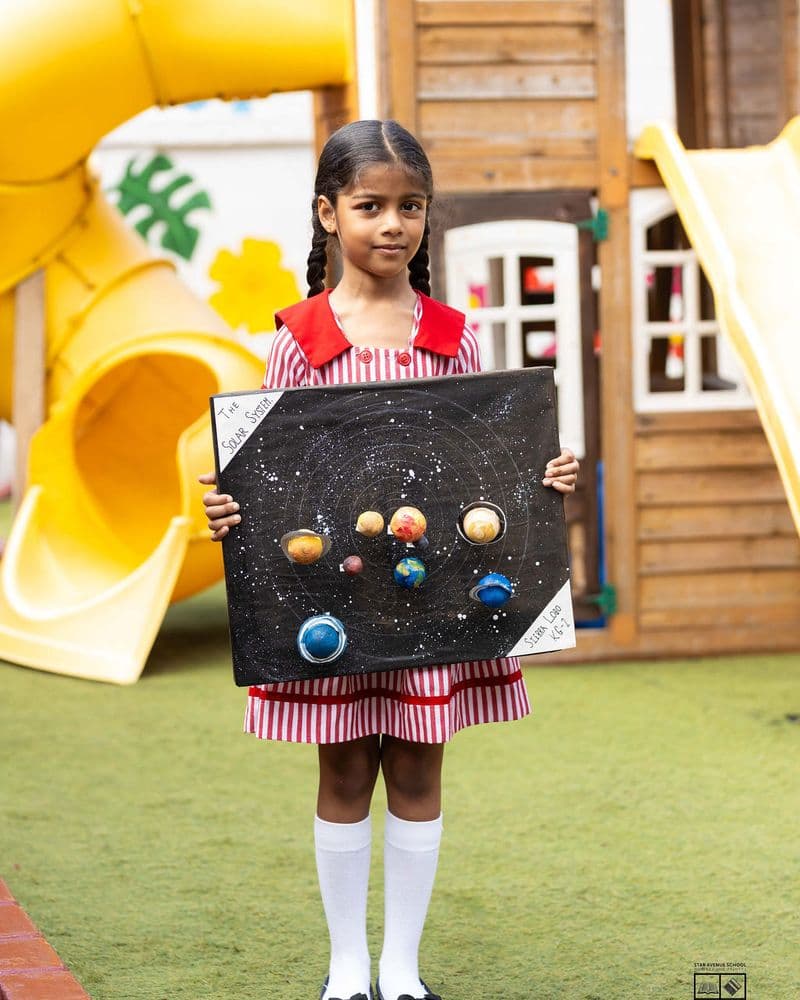
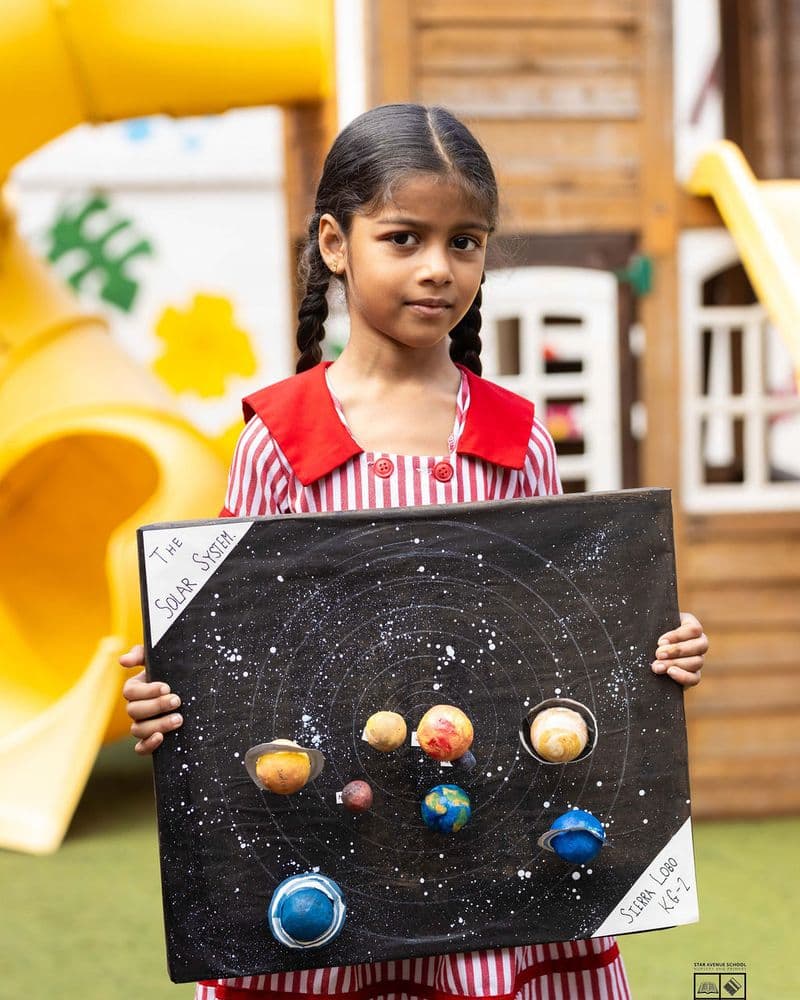
Upper Primary in pictures
An upper primary day, hour by hour
- 7:00 – 8:00Arrival and welcomeChildren arrive, settle into their classrooms and enjoy a little free play, either outdoors or indoors.
- 8:00 – 8:15Morning assembly and circle timeWe begin the day together with greetings, songs and a short morning gathering. For our younger children this includes simple circle-time routines such as the weather, the day, and what to expect.
- 8:15 – 10:00Learning and discoveryChildren move into their classrooms for focused learning. Depending on their age this may include phonics, early reading and writing, numeracy, songs, rhymes, language development and Bible stories.
- 10:00 – 10:30Snack and outdoor playSnacks are served, followed by time outdoors to run, play, explore and develop physical and social skills.
- 10:30 – 12:00LessonsChildren return to their classrooms for further learning and activities.
- 12:00 – 14:00Lunch, rest and quiet timeLunch is served, followed by nap and rest time for our younger children. Older children enjoy a period of quiet activities and relaxation.
- 14:00 – 15:00Afternoon play and home timeThe afternoon winds down and children are lovingly prepared for home.
- 15:00Home time
Subjects taught
- Language and Literacy
- Numeracy
- Creative Arts
- Ghanaian Language (Ga)
- Rhymes and Songs
- Religious and Moral Education
- Physical Education
- Science
- UCMAS
- Environmental Studies
- French
What a child can do by the end of Upper Primary
- Plans and meets deadlines from a homework diary
- Writes an argued essay with an introduction and conclusion
- Solves multi-step problems involving fractions, ratio and percentage
- Designs and records a fair test in the laboratory
- Presents work to an audience without notes
Who leads Upper Primary
Mr. Gabriel Darko
Head of Primary
Admissions
Places in Upper Primary for September 2026
Call or message the office, or come and see a upper primary class in session — the front office is open through the working day.
Prefer to talk first? Call or WhatsApp +233 26 150 4477 — the admissions office answers from 7:00am to 4:00pm.